Windscreens, also known as windshields in the US, are a crucial component of any vehicle. They provide protection from external elements, ensure clear visibility, and contribute to the structural integrity of the car. But have you ever wondered how windscreens are made? In this article, we’ll take a deep dive into the fascinating process of the windscreen manufacturing process, while also highlighting the importance of windscreen repair. Understanding the windscreen manufacturing process is vital for appreciating this essential vehicle component.
The Raw Materials: What Goes into a Windscreen?
The journey of a windscreen begins with the selection of high-quality materials. The main component of a windscreen is glass, but not just any glass—windscreens are made from a special type of laminated glass. This is a combination of two layers of glass with a layer of polyvinyl butyral (PVB) sandwiched between them. The PVB layer is crucial as it holds the glass together in case of a break, preventing shards from flying into the vehicle and causing injury.
The windscreen manufacturing process involves several critical steps that ensure the quality and safety of the final product.
Manufacturing Process: From Glass Sheets to Finished Product
Understanding the Windscreen Manufacturing Process
-
- Cutting and Shaping: The process begins with large sheets of glass. These sheets are cut into the specific shapes required for different vehicle models. Precision is key here, as even the slightest error can lead to a poor fit and potential safety issues.
- Bending the Glass: Once cut, the glass sheets are heated in a furnace to make them pliable. They are then placed into molds that give them the curved shape typical of modern windscreens. This step is critical for ensuring that the windscreen fits perfectly into the vehicle’s frame.
This step is crucial in the windscreen manufacturing process, as it helps achieve the desired curvature for optimal performance.
-
- Lamination: The next step is to layer the two sheets of glass with a PVB interlayer. The three layers are then passed through rollers to remove any air bubbles and ensure a tight bond. After this, the laminated assembly is placed into an autoclave—a specialised oven that applies heat and pressure to fuse the layers together permanently.
- Inspection and Quality Control: Before a windscreen leaves the factory, it undergoes rigorous quality control checks. These tests ensure that the windscreen meets all safety standards and is free from defects such as bubbles, cracks, or optical distortions. Only after passing these checks is the windscreen deemed ready for installation.
The windscreen manufacturing process ensures that each windscreen is thoroughly inspected, maintaining high safety standards.
The Importance of Proper Windscreen Installation
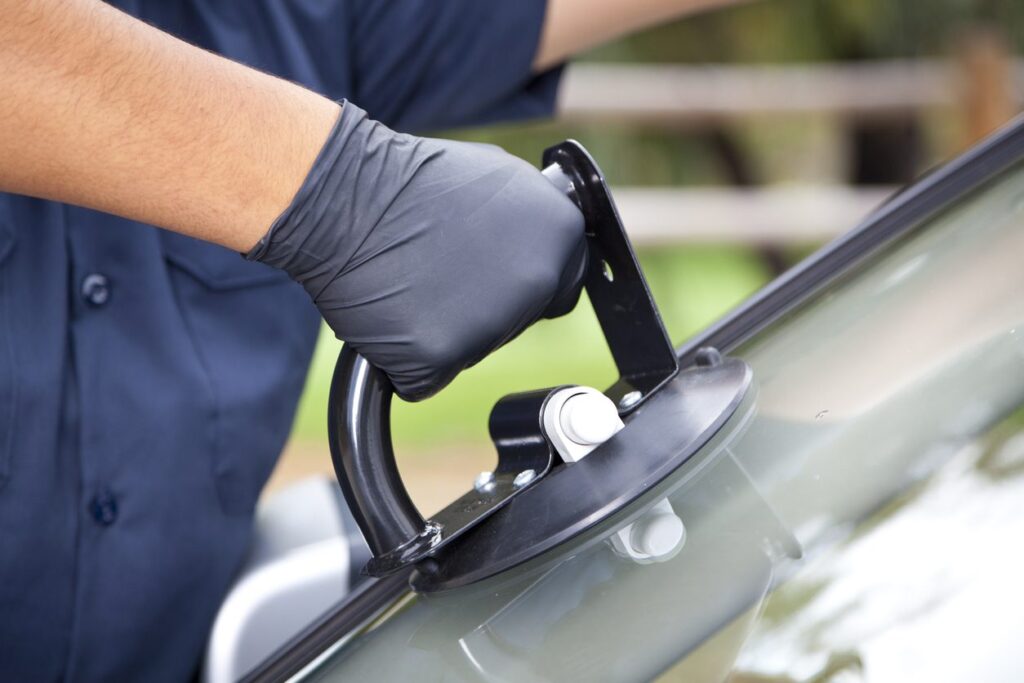
Even the most perfectly manufactured windscreen can fail if not installed correctly. Proper installation is crucial not only for visibility but also for the overall safety of the vehicle. A poorly installed windscreen can lead to leaks, wind noise, and even compromise the structural integrity of the car in the event of a collision.
Understanding the windscreen manufacturing process can help consumers make informed decisions about their vehicle’s safety.
The Role of Windscreen Repair
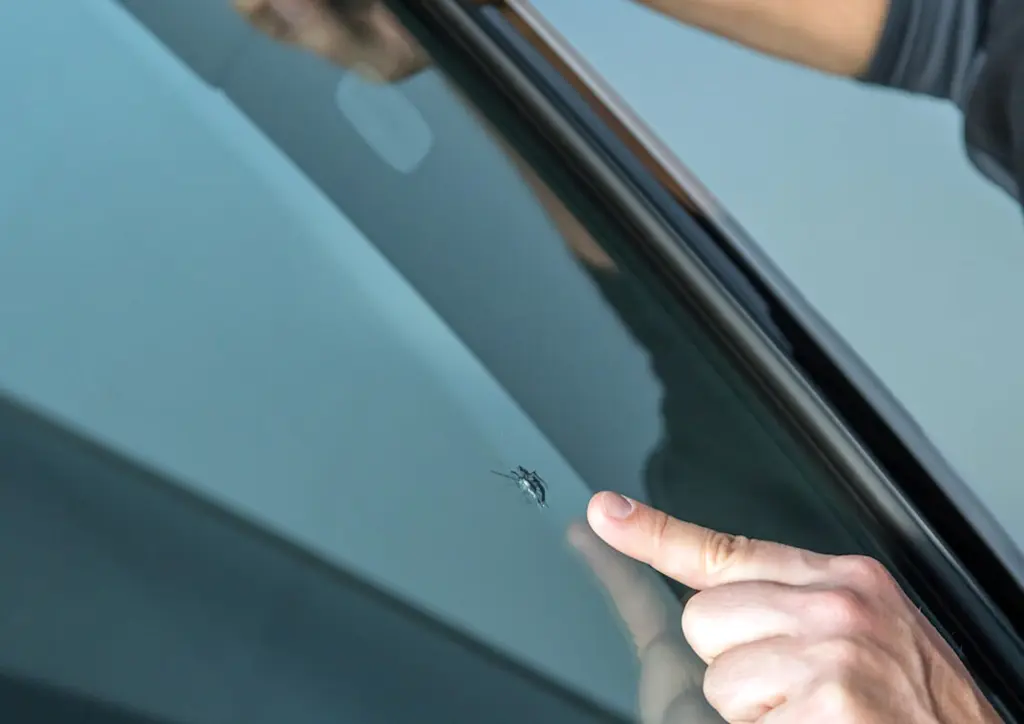
No matter how strong or well-made a windscreen is, it can still suffer damage. Whether it’s a small chip from a stray rock or a crack caused by sudden temperature changes, windscreen damage should be addressed immediately. Ignoring a small crack can lead to more significant issues down the road, including the need for a complete windscreen replacement.
This is where windscreen repair services come into play. Modern repair techniques allow technicians to fix small chips and cracks without the need for full replacement. This not only saves time and money but also helps reduce waste, making it a more environmentally friendly option.
Conclusion
The process of making a windscreen is a complex blend of science, engineering, and precision craftsmanship. From the selection of raw materials to the final installation, each step is crucial to ensuring that your vehicle’s windscreen performs its job effectively. And while a well-made windscreen is designed to last, it’s important to address any damage promptly with professional windscreen repair services. After all, your safety on the road depends on it.
Ultimately, the windscreen manufacturing process is integral to the automotive industry, impacting both safety and performance.
Awareness of the windscreen manufacturing process and its intricacies is essential for ensuring your windscreen’s reliability.
If you’re interested in learning more about windscreen repair or need assistance with a damaged windscreen, don’t hesitate to reach out to a qualified professional in your area.
By understanding the windscreen manufacturing process, you can better appreciate the importance of quality in your vehicle’s components.