How Scratched Windows Are Professionally Repaired
A scratched window can be an eyesore, reducing visibility and even affecting the value of a vehicle or property. Fortunately, professional glass scratch repair techniques can restore clarity and ensure the surface is smooth and polished. Here’s a step-by-step breakdown of how scratched glass is expertly repaired.
A scratched window not only detracts from the aesthetic appeal of a vehicle or property but can also lead to safety concerns, particularly if the scratch obstructs the driver’s view. Repairing scratched glass, therefore, is not just about restoring its appearance; it is also about ensuring safety and maintaining the value of the asset. The process of glass scratch repair can be intricate, requiring specialised skills and tools that only professionals typically possess.
Step 1: Cleaning and Removing Debris
Before any repair work begins, the glass surface must be thoroughly cleaned. This step removes any dust, dirt, or debris that could interfere with the process. Using a specialized glass cleaner, the technician ensures the area is free from contaminants, allowing for a smooth repair.
The cleaning phase is crucial as any leftover debris might cause further scratches during the repair process. Technicians often use a combination of soft cloths and specific cleaning solutions designed for glass. This thorough cleaning not only prepares the surface for repair but also allows for a comprehensive assessment of the damage.
Step 2: Inspecting the Damage and Marking the Area
Understanding Glass Scratch Repair Techniques
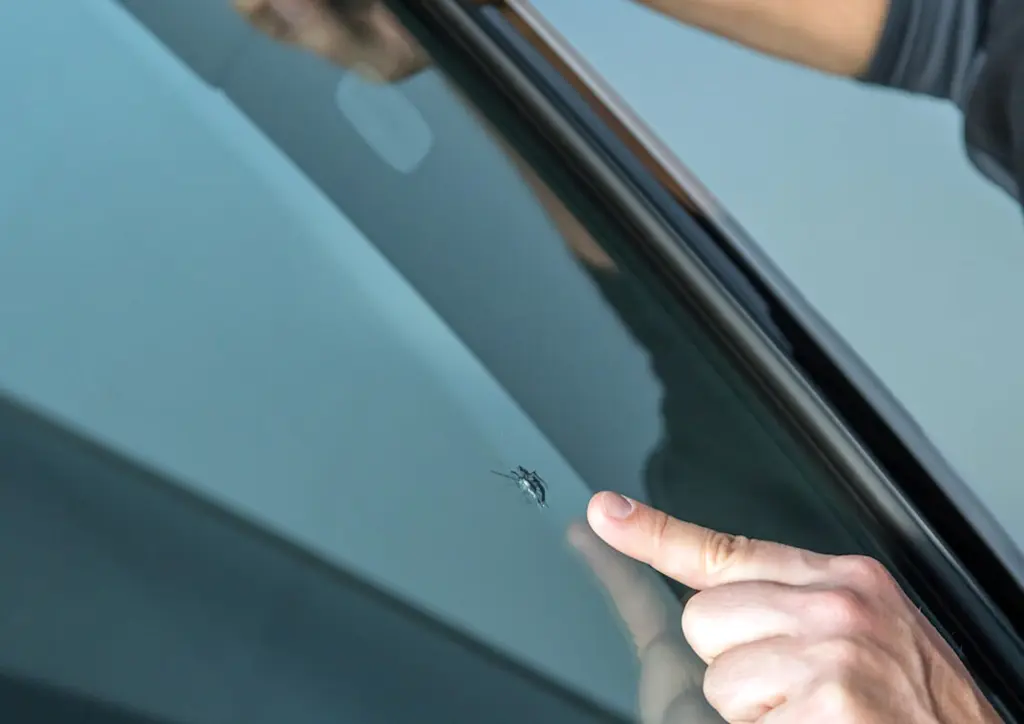
Once the glass is clean, the technician carefully inspects the scratched area to assess the severity of the damage. To make the scratch more visible during the repair, a removable ink is applied from the inside of the glass. This helps highlight the affected area and ensures precision during the restoration process.
Identifying the type of scratch is vital. Some scratches are merely surface-level and can be polished out, while others may require more extensive work. For instance, deep scratches might necessitate a complete layer of glass to be removed in order to restore clarity. Understanding this distinction helps technicians plan the most effective repair strategy.
Step 3: Removing the Damaged Surface
Using a low-grit sanding pad, the technician begins the process of gently removing the damaged layer of glass. This stage requires expert handling to avoid over-removal while ensuring that the scratch is eliminated.
This careful removal process is critical as excessive sanding can lead to further damage, making the glass weaker. Technicians are trained to gauge the depth and width of the scratch accurately, using their experience to decide when to stop sanding and transition to the next step. This precision is what sets professional repairs apart from DIY attempts.
Step 4: Refining the Surface
With the scratch removed, the next step is to rebuild the clarity of the glass. Using progressively finer grit sanding pads, the surface is gradually smoothed and blended back into the surrounding glass. This process is meticulous, requiring careful attention to detail to ensure a seamless transition between the treated and untreated areas.
During this refinement stage, technicians often switch to various tools and techniques, such as polishing wheels or electric buffers, to ensure an even finish. The aim is to achieve a glass surface that is uniform and indistinguishable from the surrounding area. This attention to detail is what results in a high-quality repair, leaving no evidence of the original scratch.
Step 5: Pre-Polishing and Final Inspection
Once the surface has been sanded to a fine finish, a pre-polishing stage begins. This step helps refine the glass further and restores its transparency.
The pre-polishing stage often involves using a less aggressive polishing compound to ensure that the glass is not damaged further. Technicians may also apply a protective coating at this point, which can help prolong the life of the repair and enhance the glass’s resilience against future scratches.
Step 6: Final Polishing for a Crystal-Clear Finish
The final stage of the repair process involves using a high-quality polishing compound to restore the glass to its original clarity. This step eliminates any remaining haziness and ensures a smooth, flawless finish. Once complete, the technician conducts a final inspection to guarantee that the repair meets professional standards. It’s also common for technicians to provide care instructions to maintain the newly restored glass. This may include avoiding abrasive cleaners and using a soft cloth for regular cleaning to prolong the life of the repair.
After the final polish, technicians typically perform a series of tests to ensure that the glass is not only visually clear but also structurally sound. This may include checking for any remaining imperfections and assessing the overall integrity of the glass. Providing care instructions is essential as this informs the client on how to maintain their newly repaired glass effectively.
Conclusion
Scratched windows don’t have to be replaced—professional glass repair techniques can restore their clarity and integrity. By following a careful process of cleaning, sanding, and polishing, technicians can make scratches disappear and leave the glass looking as good as new.
In addition to improving the appearance, professional glass scratch repair methods are often more cost-effective than replacing the entire window. This is especially true for classic or vintage cars where finding replacement parts can be challenging and expensive. Repairing the glass not only saves costs but also retains the original features of the vehicle or property.
In conclusion, not only does this professional glass scratch repair process enhance the appearance and functionality of windows, but it also contributes to the longevity of the glass itself.
Moreover, understanding the importance of timely repair is vital. Ignoring scratches can lead to further deterioration of the glass, sometimes necessitating full replacement. Thus, acting promptly can save time, money, and ensure safety.
It’s also important to note that not all scratches are the same. Some may be superficial and can be addressed through polishing alone, while others may penetrate deeper into the glass surface, requiring more intensive repair methods.
While glass scratch repair can often be a straightforward process, the results depend heavily on the expertise of the technician. Therefore, when seeking repair services, it’s advisable to choose a professional with a solid reputation and proven experience.
In conclusion, investing in professional glass scratch repair is an investment in safety, aesthetics, and value retention. With the right techniques, tools, and expertise, scratched glass can be restored to pristine condition, offering a clear view and peace of mind.
When considering a service provider, it is beneficial to ask for reviews or testimonials from previous clients. A reputable technician should have a portfolio showcasing their work, which can provide confidence in their abilities to handle not only scratches but any other glass-related issues. Additionally, some professionals may offer warranties on their repairs, further assuring quality workmanship.