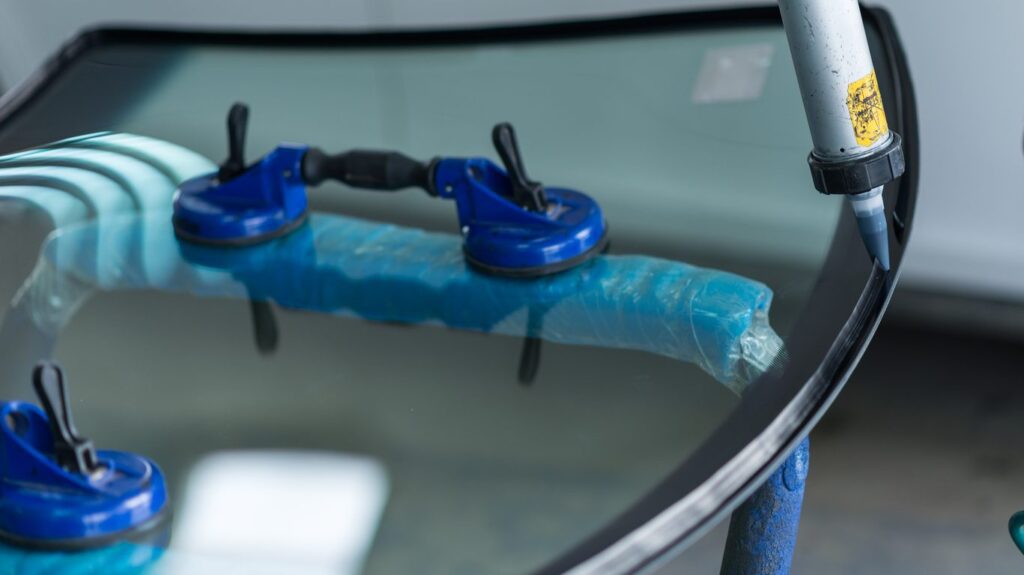
Windscreen damage is a common issue for drivers, whether it’s from a stray pebble on the highway or a sudden crack during a cold snap. While minor chips and cracks may seem insignificant, they can quickly worsen, leading to costly repairs or even windscreen replacement. This is where windscreen insurance comes into play. However, understanding what your insurance covers—and what it doesn’t—can be tricky. In this article, we’ll break down the essentials of windscreen insurance, so you know exactly what to expect.
What Is Windscreen Insurance?
Windscreen insurance is a specific type of coverage that deals with the repair or replacement of your vehicle’s windscreen. It’s usually included as part of a comprehensive car insurance policy but can sometimes be added as an optional extra. This insurance is designed to cover the costs associated with repairing small chips or cracks and replacing the entire windscreen if necessary.
What’s Typically Covered?
- Repairs for Chips and Cracks:
- Most windscreen insurance policies will cover the cost of repairing small chips or cracks. Repairing these minor damages early can prevent them from spreading, saving you from needing a full replacement.
- Full Windscreen Replacement:
- If the damage is too extensive to be repaired, the insurance will typically cover the cost of replacing the entire windscreen. This includes the glass itself and the labor involved in fitting it.
- No Claims Bonus Protection:
- Many policies offer windscreen repair and replacement without affecting your No Claims Bonus (NCB). This is a significant benefit, as it allows you to maintain your discount on future premiums even if you need to claim for windscreen damage.
- Mobile Repair Services:
- Some insurance providers include the convenience of mobile repair services, where a technician comes to your location to repair or replace your windscreen. This service is often covered within the policy without extra charges.
What’s Not Covered?
- Damage to Other Windows:
- Windscreen insurance generally covers only the front windscreen. Damage to other windows, like the side or rear windows, may not be included and might require a separate claim under your comprehensive car insurance.
- Pre-Existing Damage:
- If the windscreen was already damaged before you purchased your insurance policy, the insurance company will not cover the cost of repair or replacement. Always inspect your vehicle and address any existing issues before adding windscreen coverage.
- Deliberate Damage or Negligence:
- Damage caused by deliberate actions or gross negligence, such as driving with a severely cracked windscreen until it shatters, may not be covered. Insurance companies expect drivers to take reasonable care of their vehicles.
- Excess Charges:
- While your policy may cover the cost of repairs or replacement, you might still have to pay an excess fee. The amount can vary depending on the insurer and the terms of your policy. It’s important to know what your excess charge is before making a claim.
- Non-Approved Repair Services:
- Some insurance policies only cover repairs or replacements carried out by approved service providers. If you choose to go to a non-approved repair shop, you might have to pay the costs out of pocket or face reduced coverage.
How to Make a Windscreen Insurance Claim
- Assess the Damage:
- Determine whether the damage is minor (a chip or small crack) or if it requires a full replacement. This will help you understand the potential costs involved.
- Contact Your Insurer:
- Notify your insurance provider as soon as possible. They will guide you through the claims process and inform you of any paperwork or documentation required.
- Use an Approved Repair Service:
- If your policy requires it, make sure to use an approved service provider. The insurer can usually recommend a nearby shop or send a technician to your location.
- Pay the Excess Fee (if applicable):
- Be prepared to pay any excess fees associated with the repair or replacement. This fee is often required upfront.
- Maintain Records:
- Keep all receipts and documentation related to the repair or replacement. These records are important if there are any disputes or if you need to refer back to the work done.
Conclusion
Windscreen insurance can save you from unexpected costs when dealing with chips, cracks, or full windscreen replacements. However, it’s crucial to understand what is and isn’t covered under your policy. By knowing the details of your coverage, you can ensure that you’re fully protected without any surprises. Always review your policy carefully and speak to your insurer if you have any questions or need clarification on what your windscreen insurance includes.