The windscreen is one of the most important safety features in your car, yet many drivers have misconceptions about it. From myths about repairs to misunderstandings about its role in vehicle safety, these misconceptions can lead to poor decisions that compromise your safety. In this article, we’ll debunk some of the most common windscreen myths and set the record straight.
Myth 1: Small Chips and Cracks Are No Big Deal
Reality: Small Damage Can Lead to Big Problems
One of the most widespread myths is that small chips or cracks in your windscreen aren’t worth worrying about. In reality, even a tiny chip can weaken the structural integrity of the windscreen. Over time, with changes in temperature and road vibrations, small chips can spread, leading to larger cracks that are more expensive to repair or may require a full windscreen replacement. It’s best to address any damage, no matter how minor, as soon as possible.
Myth 2: DIY Repair Kits Are Just as Good as Professional Repairs
Reality: DIY Kits Have Limitations
While DIY windscreen repair kits are handy and can be effective for very minor damage, they are not a substitute for professional repairs. DIY kits often fail to provide a perfect seal, which can lead to further cracking. Professionals use advanced tools and materials that ensure a more durable and reliable repair, often restoring the windscreen to its original strength. For significant damage, professional repair is the safer choice.
Myth 3: Windscreen Replacement Is Always Expensive
Reality: Insurance Often Covers Windscreen Repairs and Replacements
Many drivers avoid addressing windscreen damage because they assume that replacing it will be costly. However, if you have comprehensive car insurance, it often includes windscreen coverage. This means that repairs might be free or involve only a small excess fee. Even for replacements, the cost might be much lower than expected. Always check your policy or consult with your insurer to see what’s covered.
Myth 4: Any Crack in the Windscreen Means It Needs to Be Replaced
Reality: Many Cracks Can Be Repaired
Not all cracks mean the windscreen needs to be replaced. Many cracks, especially those shorter than a few inches, can be repaired if addressed promptly. Professional technicians can assess the damage and often restore the windscreen’s integrity without the need for a full replacement. However, if a crack is directly in the driver’s line of sight or if it’s large, replacement may be necessary.
Myth 5: Windscreens Are Just for Keeping the Wind and Bugs Out
Reality: Windscreens Are a Critical Safety Component
Windscreens do much more than protect you from wind, rain, and bugs. They play a crucial role in the structural integrity of your vehicle, especially in the event of a collision. A properly installed windscreen supports the roof and helps prevent it from collapsing in a rollover accident. It also works in tandem with airbags, ensuring they deploy correctly. Ignoring windscreen damage can compromise these safety features.
Myth 6: A Windscreen Replacement Can Be Done by Any Auto Shop
Reality: Windscreen Replacement Requires Specialised Skills
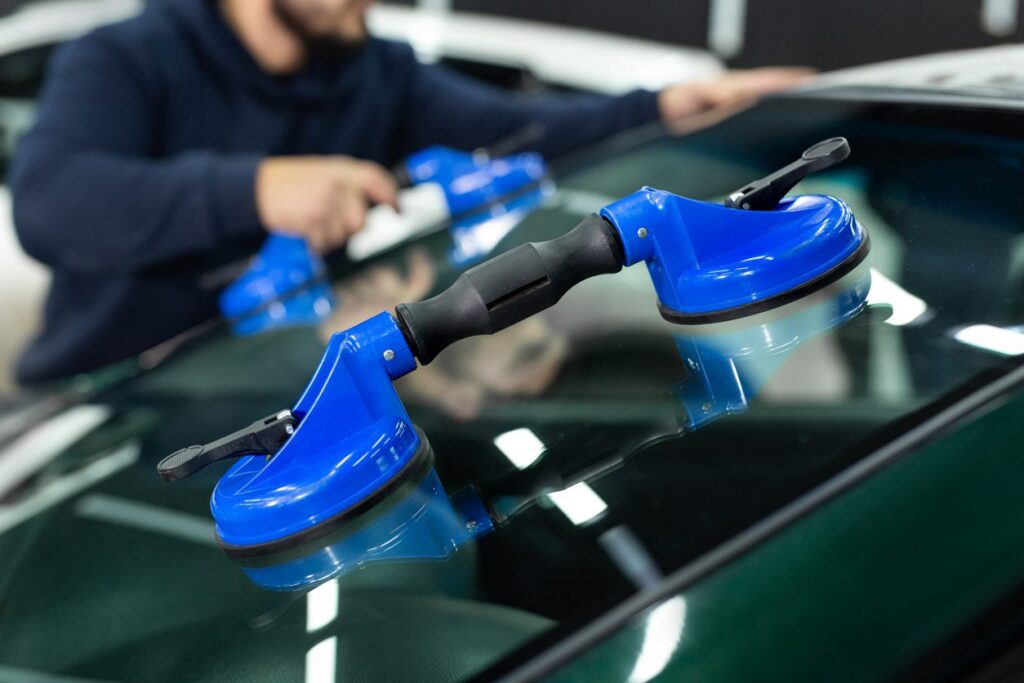
Replacing a windscreen isn’t as simple as swapping out a car part. It requires precision and expertise to ensure the windscreen is fitted correctly and sealed properly. Poor installation can lead to leaks, wind noise, or even the windscreen popping out during an accident. Always go to a certified technician or a shop that specialises in windscreen replacements to ensure the job is done right.
Myth 7: It’s Safe to Drive with a Cracked Windscreen
Reality: Driving with a Cracked Windscreen Is Risky
Driving with a cracked windscreen is not only illegal in many places but also dangerous. A cracked windscreen can obstruct your view, making it harder to see the road clearly. Moreover, in the event of an accident, a cracked windscreen is more likely to shatter, increasing the risk of injury. Even if the crack seems small, it’s best to have it inspected and repaired as soon as possible.
Conclusion
Understanding the realities of windscreen care is essential for maintaining the safety and integrity of your vehicle. By debunking these common myths, you can make informed decisions about when to repair or replace your windscreen and avoid potential risks. Remember, your windscreen is not just a piece of glass—it’s a vital safety feature that deserves your attention and care.